One Harbor Church · Morehead City, SC
Preached Sunday, Nov 22, 2026Genesis 12:2-3
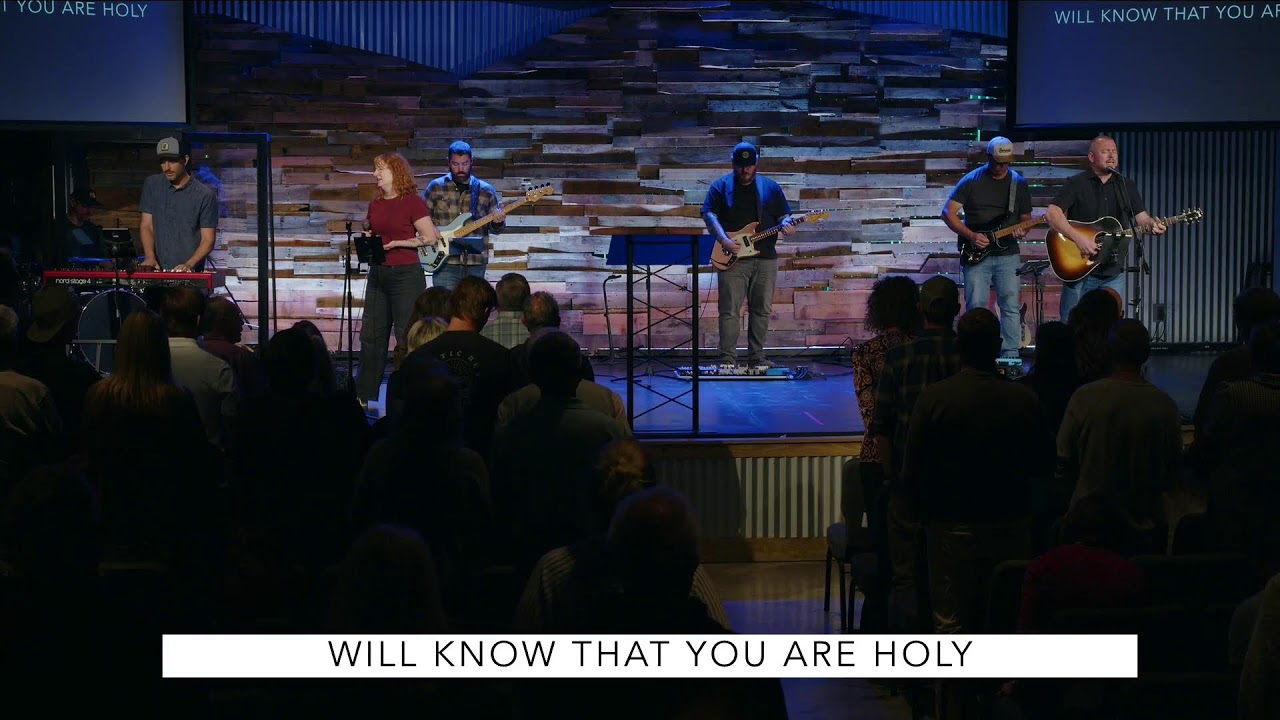
In this message from One Harbor Church's series on biblical stewardship, Pastor Isaac Hopkins traces a thread from Abraham through the Mosaic law and the prophets showing that God's people have always been called to be conduits of blessing rather than containers of wealth. Drawing on passages in Genesis, Exodus, Leviticus, and the prophetic writings, he argues that faithful disciples embrace limits, care for the poor, and resist greed so that God's provision flows freely to those around them. The sermon challenges listeners to move from hoarding to generosity as a natural expression of trust in a faithful God.
Everything below came from one YouTube link.
Generated automatically the morning after this sermon was preached. Read every open card free. The locked ones get built when it’s your sermon.
9 pieces open to read · 18 more unlock with your own sermon
Sermon Insights
“They'd leave some of the potatoes behind... my brothers and sisters and my mom, we'd go out there with these big bushel baskets... That's how we were provided for. It was the Lord's hand providing for us.”
“That's the finish line of this week's journey: generosity that flows not from obligation, but from a heart that's been genuinely changed. This week you've seen that you were blessed in order to be a blessing.”
“In Matthew 25, Jesus says that caring for "the least of these" is the same as caring for him personally. What does that do to the way you think about generosity, whether that's giving money, time, or something else?”
“From Abraham to the gleaning laws to the prophets to Jesus to the early church, the call to care for the poor and vulnerable is remarkably consistent. What does this sustained, cross-testament emphasis tell us about what God considers central to faithful discipleship?”
“These three verses are arguably among the most consequential in all of Scripture. The passage is a divine speech-act, a covenant promise, that establishes the theological architecture for everything that follows in the biblical story.”
“When we stop the flow of generosity in our lives, we don't just fail to bless others, we become stagnant ourselves. We get salty. Not the good kind of salt of the earth, but the kind that ruins everything.”
“What would happen if a river suddenly had no outlet? It wouldn't stay a river for long. That image, a body of water with nowhere to flow, sat at the heart of a”
“Here's the big idea. The big idea for today is this. Faithful disciples are blessed to be a blessing. We are blessed to be a blessing. So don't be a container that just hoards everything.”
What does it mean to be a conduit not a container with money?
According to this sermon, a conduit lets God's blessings flow through you to others, while a container hoards everything. Starting with Abraham, God blesses his people not for their own accumulation but so they can bless those around them, the poor, the vulnerable, and the wider community.
What does the Bible say about lending money to the poor?
Exodus 22 instructs God's people not to charge interest when lending to the poor, and to return any collateral like a cloak before sundown. The principle is that God's people should never get rich off a neighbor's misfortune or make life harder for those already struggling financially.
How do I keep trusting God when life keeps getting harder?
This sermon points to Lamentations 3:21-23, God's mercies are new every morning and his faithfulness never ends. Even in the hardest moments, like being wheeled into emergency surgery, clinging to 'all my life he's been faithful' is the anchor that sustains trust in a good God.
Submit your manuscript or notes and get 17 more pieces: kids, pre-teen, and teen ministry lessons synced to your sermon, a fill-in-the-blank sermon notes worksheet, a teaser email that fills seats, speaker notes, and more.